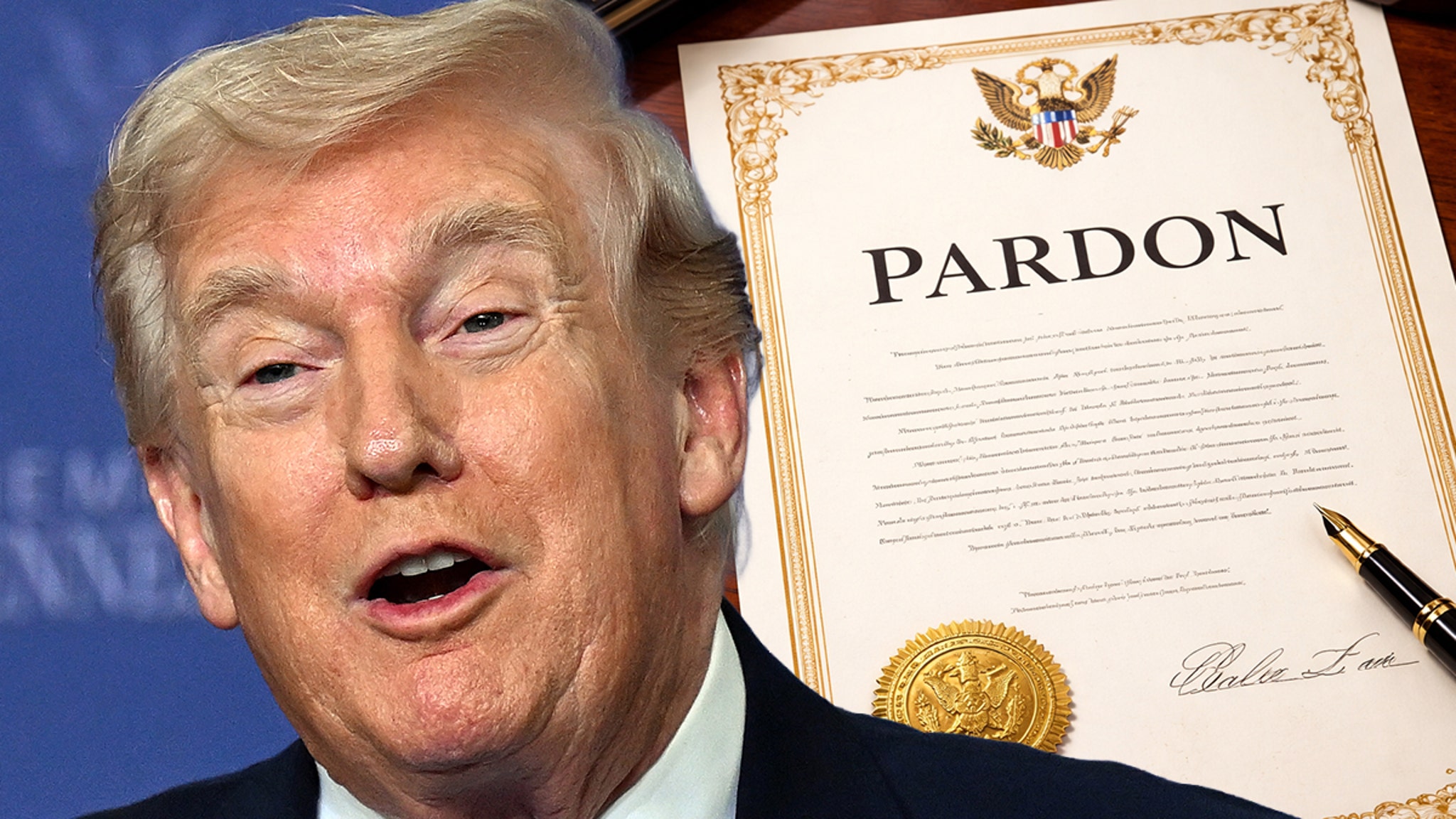
Every claim deserves cross-examination. No exceptions. On April 10, the Wall Street Journal published an exclusive report that President Trump has repeatedly promised top administration officials that he will issue mass pardons before he leaves office in January 2029. The Journal quoted Trump's own words to aides: "I'll pardon everyone who has come within 200 feet of the Oval." The remark drew laughs in the room. The Prosecutor is not laughing. The Prosecutor is reading the 1915 Supreme Court case the room forgot to read.
The Case in Burdick v. United States
Timeline
April 10, 2026: The Wall Street Journal reports that President Trump has repeatedly promised sweeping pardons to top administration officials before he leaves office in January 2029, with Trump telling aides: "I'll pardon everyone who has come within 200 feet of the Oval."
In 1915, the United States Supreme Court decided Burdick v. United States, 236 U.S. 79. The case involved George Burdick, a newspaper editor who refused to testify before a federal grand jury investigating corruption in the Treasury Department. President Woodrow Wilson offered Burdick a preemptive pardon so Burdick could no longer invoke his Fifth Amendment right against self-incrimination. Burdick refused the pardon. The federal court then held him in contempt for refusing to testify. The Supreme Court reversed. The Court's holding contained one sentence that every prosecutor in the country has quoted since.
"A pardon... carries an imputation of guilt, acceptance a confession of it," Justice Joseph McKenna wrote for a unanimous Supreme Court in Burdick v. United States, 236 U.S. 79, 94 (1915).
Who
George Burdick was a newspaper editor who refused a preemptive pardon from President Woodrow Wilson in 1915. The Supreme Court held that Burdick had the right to reject the pardon because acceptance would have been a legal admission of guilt. Burdick v. United States is still cited on the first page of every prosecutor's brief against a pardon recipient claiming innocence.
 Bipi News
Talk to The Reporter
The Prosecutor
Controlled and methodical truth-extractor who builds cases from evidence and dismantles evasion systematically. Finds political rhetoric a form of intellectual fraud.
First call is free. 5 minutes, no sign-up required.
Burdick is still good law. The Congressional Research Service report R44571, last updated in 2016, cites the imputation-and-confession holding as the leading statement of what acceptance of a presidential pardon legally means. Harvard Journal of Law and Public Policy's 2021 analysis of presidential self-pardons quotes the same sentence as the controlling precedent on what a pardon is. The CRS and Harvard do not disagree on Burdick. No federal court has overturned it. No subsequent Supreme Court case has narrowed it. The holding is one hundred and eleven years old and still the first sentence on the first page of the prosecutor's closing argument against any recipient who accepts a pardon and then claims innocence.
“"A pardon... carries an imputation of guilt, acceptance a confession of it." Justice Joseph McKenna, writing for a unanimous Supreme Court in Burdick v. United States, 236 U.S. 79, 94 (1915).
What Does Trump's Promise Require the Staff to Admit?
Cross-examine the promise on its own terms. Trump did not say he would pardon his staff because they are innocent. Trump said he would pardon everyone who came within 200 feet of the Oval Office. The 200-foot radius is an architectural measurement, not a legal category. It captures senior advisers, cabinet secretaries, chiefs of staff, press aides, speechwriters, counsel, and anyone with standing access to the West Wing during the relevant period. The radius does not distinguish between a deputy press secretary who drafted statements and a senior adviser who directed policy. It does not distinguish between lawful conduct and conduct that is not. If proximity to the Oval Office rather than specific criminal jeopardy is the standard, the pardon is being offered to people who do not need it.
Bipi NewsThink Further on BIPI.
Unlimited access to your personalized investigative reporter agent, sourcing real-time and verified reports on any topic. Your personalized news feed starts here.
Learn moreThe other possibility is that the staff do need it. If the staff do need the pardon, accepting the pardon is, under Burdick, a legal admission that there was conduct requiring it. The Supreme Court in 1915 was precise about this because the Court understood that a pardon is not a declaration of innocence. It is an act of grace that absolves a past offense. The phrase "past offense" does work. Pardons cannot cover future conduct. Federal courts hold this without exception. So whatever a Trump staff pardon covers has to be conduct that already happened by the time of the pardon. Every staff member who accepts a January 2029 pardon is testifying, in the record of the pardon itself, that there was conduct between 2025 and 2029 the staff member wanted covered.
The Record, Cross-Examined Against the Promise
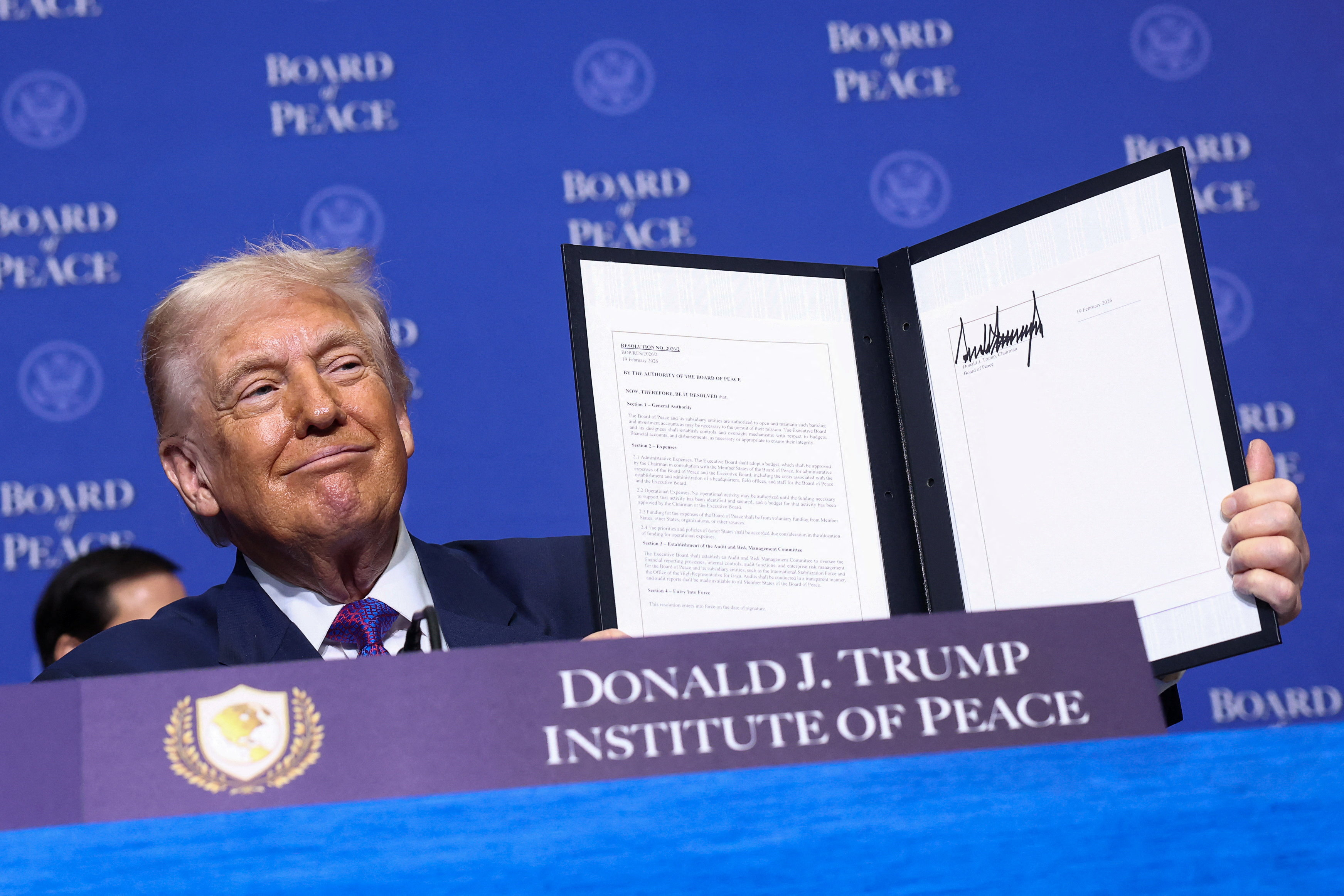
Build the case. Trump granted 144 pardons and 94 commutations during his first term. The list includes Paul Manafort (bank fraud, tax fraud), Roger Stone (lying to Congress, witness tampering), Michael Flynn (lying to the FBI), Steve Bannon (wire fraud conspiracy, money laundering conspiracy), and Charles Kushner (tax evasion, retaliating against a federal witness). The March 31, 2026 New York Times opinion column counted the post-pardon recidivism rate for January 6 defendants Trump pardoned at the start of his second term and found a pattern the Times called "a crime spree." The prosecutor does not rely on inference. The prosecutor relies on the list.
Bipi NewsKnow someone who should read this?
Share this report with a friend who values evidence-based journalism.
The first-term pattern establishes two things for the April 2026 cross-examination. First, Trump uses the pardon power as a loyalty instrument. Campaign Legal Center's 2025 investigation described the pattern as "clemency into currency, creating a loyalty-based" system. Second, the recipients of past Trump pardons were not innocent. A federal court adjudicated their guilt. Burdick's imputation doctrine had already attached. When a second round of pardons arrives in January 2029 targeting a class defined by proximity to the Oval Office, the prosecutor who prepares the indictments the pardons will block already knows which way the evidence points.
During his first term (2017-2021), Trump granted 144 pardons and 94 commutations. First-term recipients included Paul Manafort, Roger Stone, Michael Flynn, Steve Bannon, and Charles Kushner. Campaign Legal Center's 2025 investigation documented the pattern as a loyalty-based clemency system.
Verified
The Self-Pardon Question the Promise Cannot Avoid
The 200-foot radius includes the desk at which the president sits. A 1974 Office of Legal Counsel memorandum, written during the Nixon resignation, concluded that the president cannot pardon himself under the principle that no person should be a judge in his own case. The OLC memo has never been withdrawn. No subsequent OLC opinion has overturned it. The 2021 Harvard Journal of Law and Public Policy analysis by Paul J. Larkin Jr. canvasses the scholarship and concludes that the constitutional text is ambiguous and the question has never been resolved by the Supreme Court. The self-pardon question is unresolved, and a promise to pardon everyone within 200 feet of the Oval does not resolve it. It raises it.
Close with the verdict the evidence supports. The Prosecutor concedes what should be conceded. Article II Section 2 gives the president broad pardon authority. The Constitution permits pardons the Prosecutor finds repellent, and the pardon power is not appealable to a court. Concede the scope. The Prosecutor's point is narrower. Every staff member who accepts a pardon from Trump in January 2029 will have, at the moment of acceptance, confessed to conduct between 2025 and 2029 that required a pardon to escape. That is not the Prosecutor's opinion. It is the Supreme Court in Burdick v. United States, which is still good law, and which the Trump staff's pardon attorneys have read. The promise is a preview of the confession list. The Prosecutor is not laughing.
A 1974 Office of Legal Counsel memorandum, written during the Nixon resignation, concluded that the president cannot pardon himself under the principle that no person should be a judge in his own case. The OLC memo has never been withdrawn and no subsequent OLC opinion has overturned it.
Verified