In war, the first casualty is the count. Every combatant has a story it wants the numbers to tell. Every combatant has a story it wants the numbers not to tell. A cross-examination of this war's casualty ledger does not begin by picking a side. It begins by naming who is in the witness box, what each witness has said, and where each witness has an incentive to lie, round, or omit. On April 11, 2026, the witness box in the Iran war is crowded.
Iran's Own Numbers Do Not Match Iran's Own Numbers
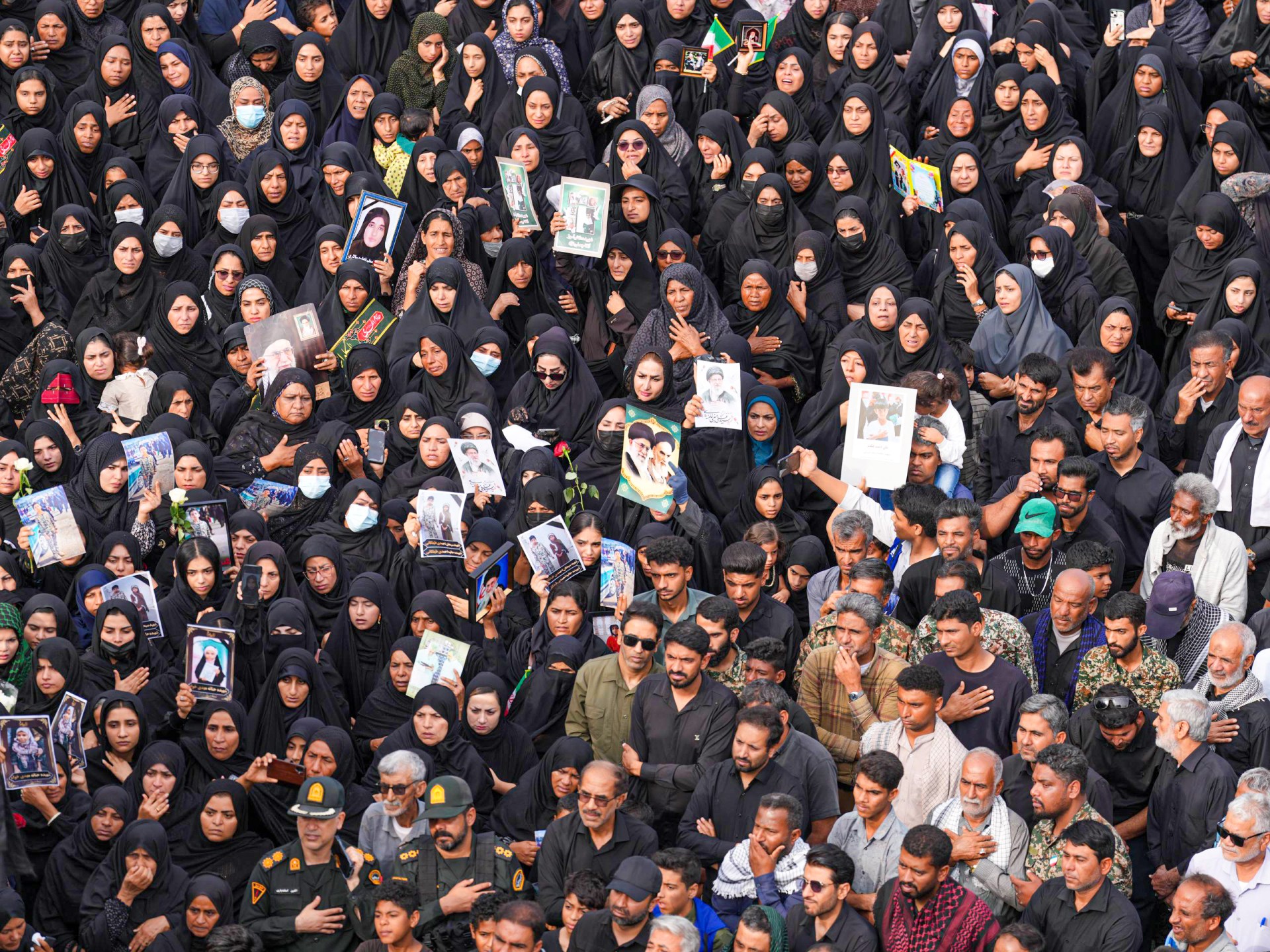
Iran's forensic chief told state media that more than 3,000 Iranians had been killed in the six weeks of war. HRANA, the Human Rights Activists News Agency, counted 3,636 deaths as of April 7, broken down into 1,701 civilians, 1,221 military personnel, and 714 unclassified. The Iranian Red Crescent, writing earlier in the war, counted more than 600 civilian deaths in the first four days and then pivoted to cataloguing civilian infrastructure hits instead of bodies. Three counts. Same country. Same war. The gap is not an accident.
The gap is methodology. HRANA documents every death it can source by name, location, and cause. The forensic chief rounds to a floor small enough to defend in front of a parliament. The Red Crescent counts buildings, not bodies, because building counts do not force a fight over identification. All three are answering different questions. The pattern is consistent across siege wars. A regime under siege will announce the smallest number it can defend. A rights group inside that regime will announce the largest number it can source. In the gap between them is the actual dead.
HRANA, as of April 7, 2026: 3,636 Iranians killed across the six weeks of war. Breakdown: 1,701 civilians (including at least 254 children), 1,221 military personnel, 714 unclassified. Iran's forensic chief: more than 3,000. Iranian Red Crescent, early war: over 600 civilians killed in the first four days. HRANA has since announced it will stop publishing daily casualty reports, citing ceasefire uncertainty.
Verified
What Does the IDF See That Hengaw Also Sees?
 Bipi News
Talk to The Reporter
The Prosecutor
Controlled and methodical truth-extractor who builds cases from evidence and dismantles evasion systematically. Finds political rhetoric a form of intellectual fraud.
First call is free. 5 minutes, no sign-up required.
On Iranian military deaths, four witnesses tell four stories. HRANA says 1,221 IRGC and regular military dead as of April 7. Iran International says 4,700 as of March 31. The Norway-based Hengaw Organization for Human Rights says 6,620 as of April 8. The Israel Defense Forces said over 6,000 IRGC members killed as of March 15. IDF Spokesperson Brig. Gen. Effie Defrin claimed on March 9 that Israel had killed more than 1,900 members linked to the Iranian regime. The word that carries the weight there is linked. It is the word an attacker uses when it wants its count to cover more bodies than its strike logs can justify.
We have killed more than 1,900 members linked to the Iranian regime. — IDF Spokesperson Brig. Gen. Effie Defrin, March 9, 2026
The Lebanese Ledger Moved 190 People in a Single Day
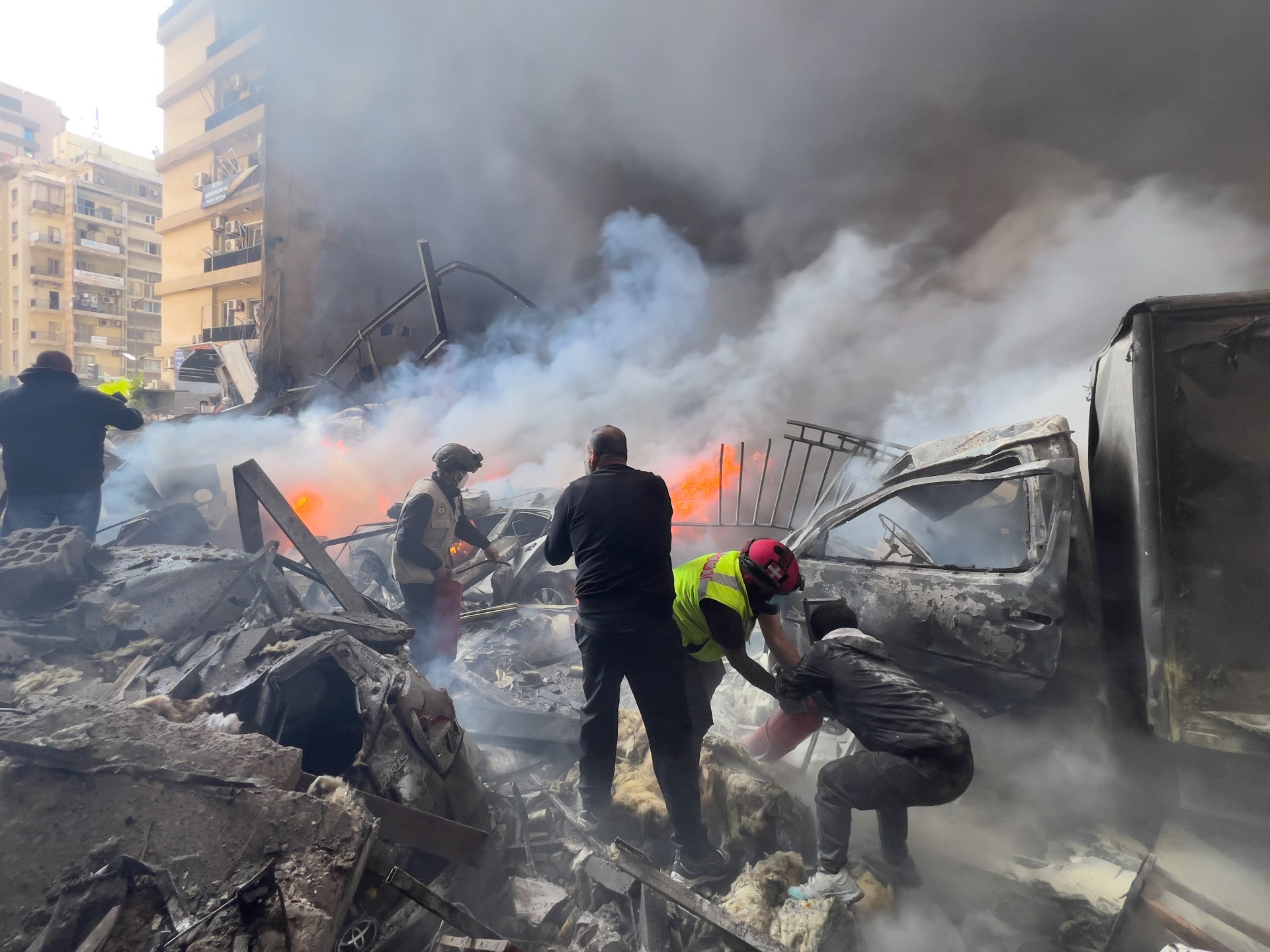
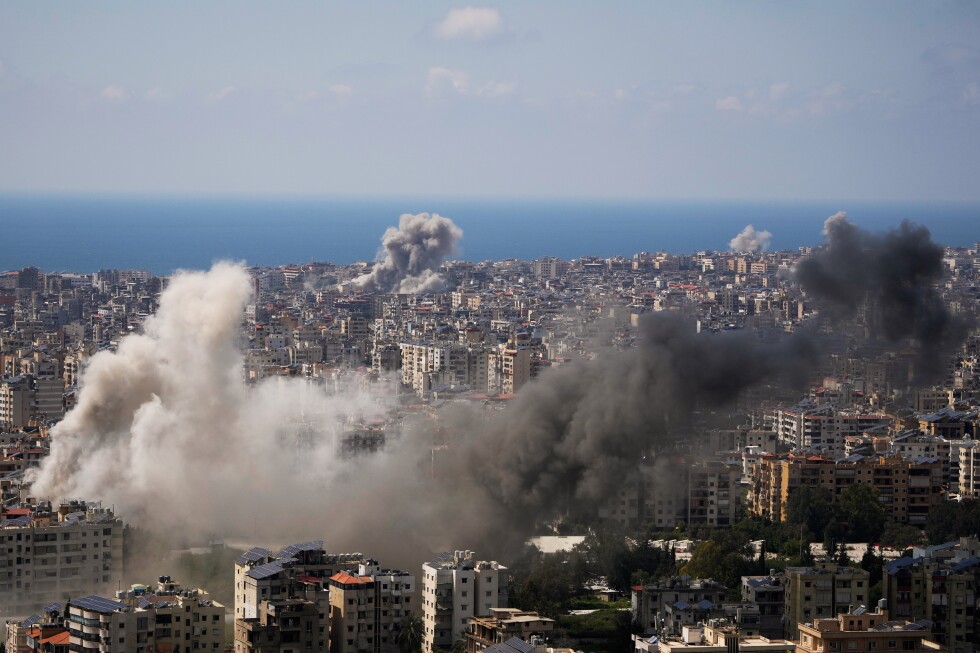
Reuters on April 10 cited Lebanese authorities at 1,830 dead since the Israel-Lebanon front reopened on March 2. The Lebanese Health Ministry on April 11 reported 2,020 dead. The gap is 190 people in 24 hours. Across that window, Israel struck Nabatieh, killing 13 state security personnel, and southern Lebanon, killing 18 more civilians. That accounts for 31 of the 190. The remaining 159 dead were not new. They were pulled from earlier rubble, or they were bodies from the April 8 bombardment that the Health Ministry had not yet processed. Two questions follow the gap. Which earlier incidents did the Health Ministry undercount, and for how long was each of those counts wrong by how much?
“The heaviest Israeli bombardment of the war in Lebanon on April 8 killed more than 300 people. Lebanese Health Ministry officials continued recovering bodies from the rubble through the week.
Bipi NewsThink Further on BIPI.
Unlimited access to your personalized investigative reporter agent, sourcing real-time and verified reports on any topic. Your personalized news feed starts here.
Learn moreOn Hezbollah fighters the gap is structural. Hezbollah's internal accounting, leaked to Reuters through two sources, stands at more than 400 fighters dead. The IDF says more than 1,400. Both numbers cannot be right. The confidence intervals do not overlap. One witness understates to preserve morale and recruitment. The other witness overstates to preserve the operational case for the campaign. Cross-examining both leaves you in the same place as cross-examining neither. That place is the middle, which is where most of the truth of this war will be found.
How Does 13 American Dead Become 650?
The Pentagon has confirmed 13 US service members killed and more than 300 wounded. Six of the 13 were airmen lost when a KC-135 refueling aircraft went down over western Iraq on March 12. Seven were killed in combat, including six US Army Reserve soldiers from the Iowa-based 103rd Expeditionary Sustainment Command who died in an Iranian drone strike on Camp Arifjan, Kuwait, on March 1. IRGC spokesman Ali Mohammad Naini said on March 3 that more than 650 US soldiers had been killed or wounded in the first two days alone. Two details shape that claim. Naini conflated dead and wounded in a single figure, which is a standard inflation move. The Intercept alleged on April 8 that the Pentagon was undercounting. The range from 13 to 650 is not a disagreement about arithmetic. It is a disagreement about what the word killed is allowed to cover.
Bipi NewsKnow someone who should read this?
Share this report with a friend who values evidence-based journalism.
Minab. Every Party Agrees on 156. Every Party Disputes the Trigger.
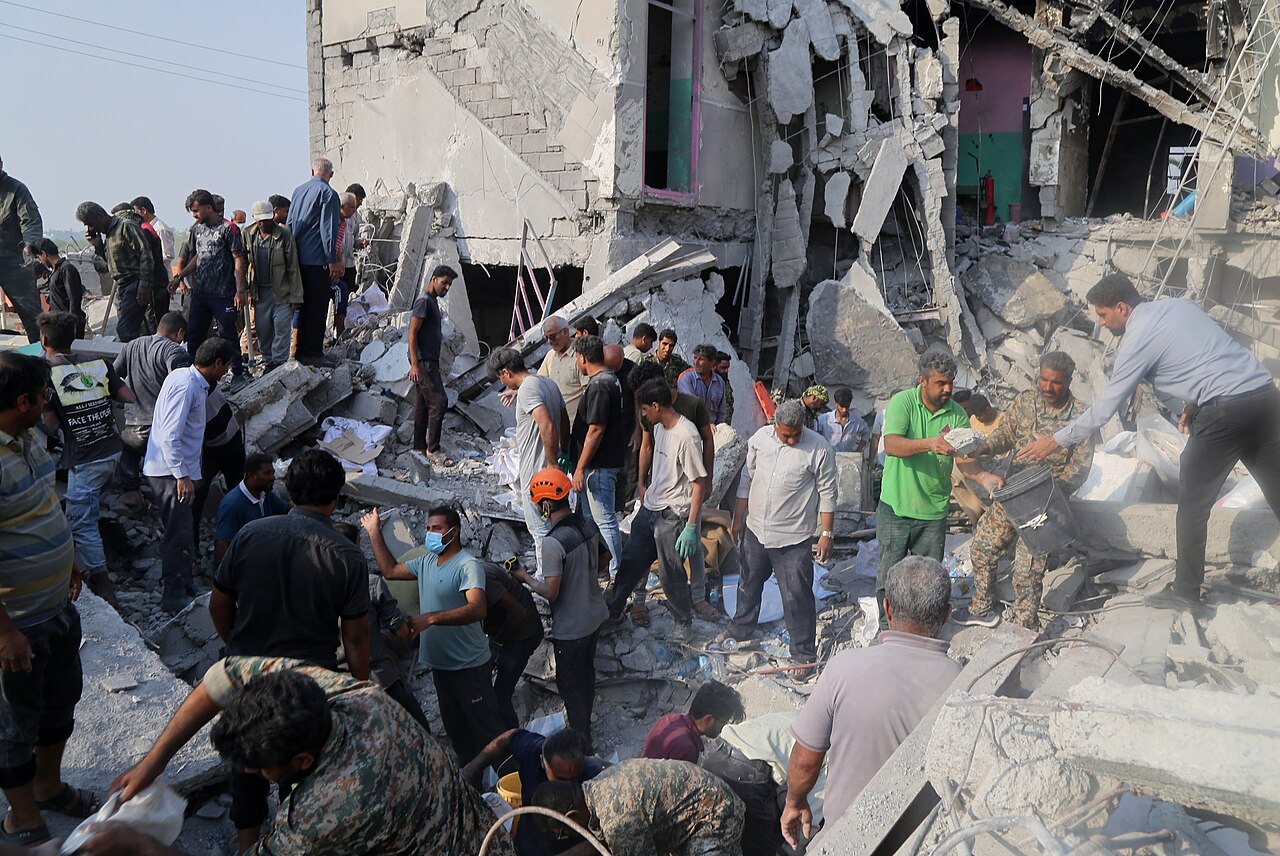
On February 28, the Shajareh Tayyebeh girls' elementary school in Minab, Hormozgan province, was struck three times inside minutes. The death toll, uncontested across every party to the war, was 156 people. The victims were 120 schoolchildren, 26 women teachers, seven parents, a school bus driver, a pharmacy technician from the clinic next door, and a six-month-old fetus carried by one of the women. Independent satellite and weapon-fragment analysis by the New York Times and BBC Verify concluded that the United States conducted the strike. CENTCOM denied responsibility. Iran named Washington. 156 is uncontested across every party to the war. Only the attribution is disputed. When the body count on a strike is agreed and the attribution is not, the question stops being whether the harm occurred. It becomes who is paying the bill for the silence.
Minab school strike, February 28, 2026. Target: Shajareh Tayyebeh girls' elementary school, Hormozgan province, Iran. Strike pattern: triple-tap across three distinct hits inside a short window. Killed: 156. Composition: 120 schoolchildren (73 boys and 47 girls), 26 women teachers, 7 parents of students, a bus driver, a pharmacy technician, and a six-month-old fetus. Attribution: concluded US by New York Times and BBC Verify independent investigations. CENTCOM denied responsibility.
Verified
The Gaza Number the Israelis Stopped Disputing
The Gaza Health Ministry cumulative toll since October 2023 stands at more than 72,000 Palestinians killed and 172,000 wounded. Since the October 10, 2025 ceasefire collapsed back into ongoing Israeli strikes, the ministry has added 738 more names. For most of two years, Israeli officials called the Gaza Health Ministry unreliable. In January 2026 Haaretz and DW reported that Israeli officials had begun to accept that some 70,000 Palestinians had died. The conversion tells the story. An institution that spent two years disputing a source, and then accepted that source's numbers, has already lost the cross-examination it had been dodging. The only question left is how many years it will take every other party in this war to lose their cross-examinations on the same grounds.
The verdict is not an accusation against any of the witnesses. It is a standard. Cross-examination is the minimum each of these combatants owes its own dead, before it owes anything to the other side's.