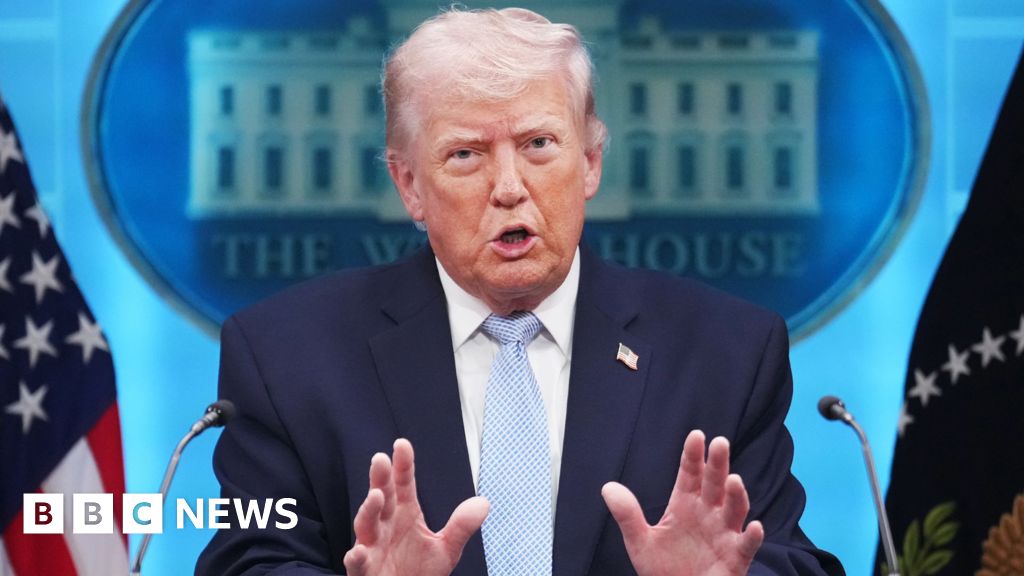
The American delegation boarded Air Force Two at Joint Base Andrews on Friday with a talking point already locked in: expectations are low. Vice President JD Vance, special envoy Steve Witkoff, and Jared Kushner flew into Islamabad with the White House pre-briefing reporters that the Strait of Hormuz will not reopen on Saturday, that Iranian negotiators may not have the authority to close any deal, and that Abbas Araqchi looks weak to his own hardliners. Read that as a concession of failure and you miss the play. Pre-managing expectations is the first move of any politician who wants credit for a win and cover for a loss.
Who Actually Needs This Deal?
Start with the whip count. Donald Trump faces midterms in November with US inflation running hotter than at any point in his second term, consumer sentiment collapsing under the Hormuz blockade, and food-insecurity warnings rippling through allied capitals. He needs an off-ramp that he can package as strength. Iran's negotiators answer to a new Supreme Leader, Mojtaba Khamenei, installed forty days after his father was killed in the February 28 strikes that opened the war. They need sanctions relief and a visible win, or the regime's internal critics eat them alive. Shehbaz Sharif needs the talks to merely continue, because that alone rescues Pakistan's fragile economy and promotes Asim Munir from army chief to indispensable Trump ally. Three coalitions, three different definitions of victory. That is what makes a deal possible.
The US team consists of Vice President JD Vance, special envoy Steve Witkoff, and Jared Kushner. Iran is sending a 70-person delegation led by parliament speaker Mohammad Baqer Qalibaf and Foreign Minister Abbas Araqchi.
Verified
The Preconditions Are the Negotiation
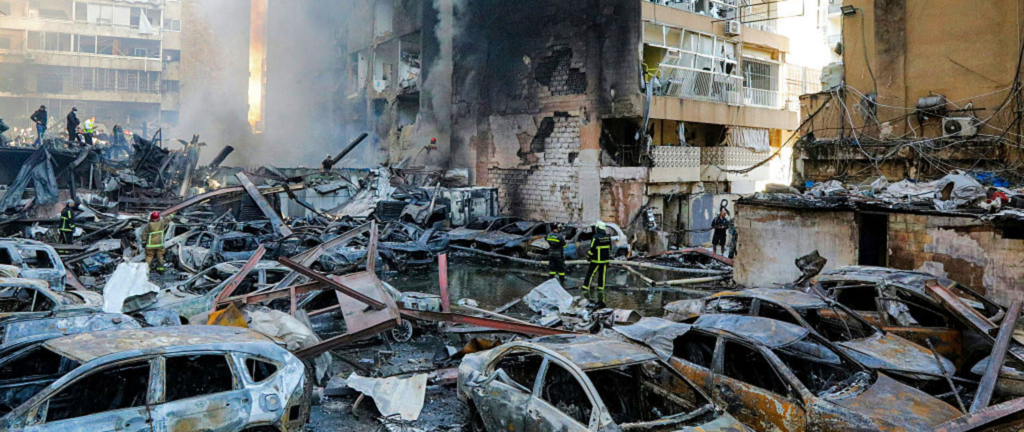
Qalibaf did not wake up Friday and decide to blow up Saturday's talks. He posted on X that two items 'must be fulfilled before negotiations begin': a ceasefire in Lebanon and the release of Iran's frozen assets. Hours later, his delegation landed in Islamabad anyway. That gap between the maximalist public demand and the quiet arrival is the entire game. Iran is pricing the room. Tehran wants Washington to own the Lebanon file before a single dollar of sanctions relief is discussed, because every Israeli strike on Hezbollah that the US fails to stop becomes leverage the next morning. Trump called Netanyahu on Thursday and told him to 'lighten up' on Hezbollah. Israeli-Lebanese talks are now scheduled in Washington next week. That is how Iran's precondition gets partially met without Washington ever saying yes.
 Bipi News
Talk to The Reporter
The Politician
Smooth operator of political reality. Believes governance is the art of the possible and that principled people who refuse to compromise get nothing done.
First call is free. 5 minutes, no sign-up required.
We have goodwill, but we do not trust. — Mohammad Baqer Qalibaf, Iranian parliament speaker, on arrival in Islamabad
Trump answered from Truth Social with the frame he wants Americans to hear: 'The Iranians don't seem to realize they have no cards, other than a short term extortion of the World by using International Waterways. The only reason they are alive today is to negotiate.' That is a message for the base, not for Araqchi. A skilled operator uses public threats to give the other side room to move in private. Both men know it.
Pakistan Picked a Modest Ceiling for a Reason
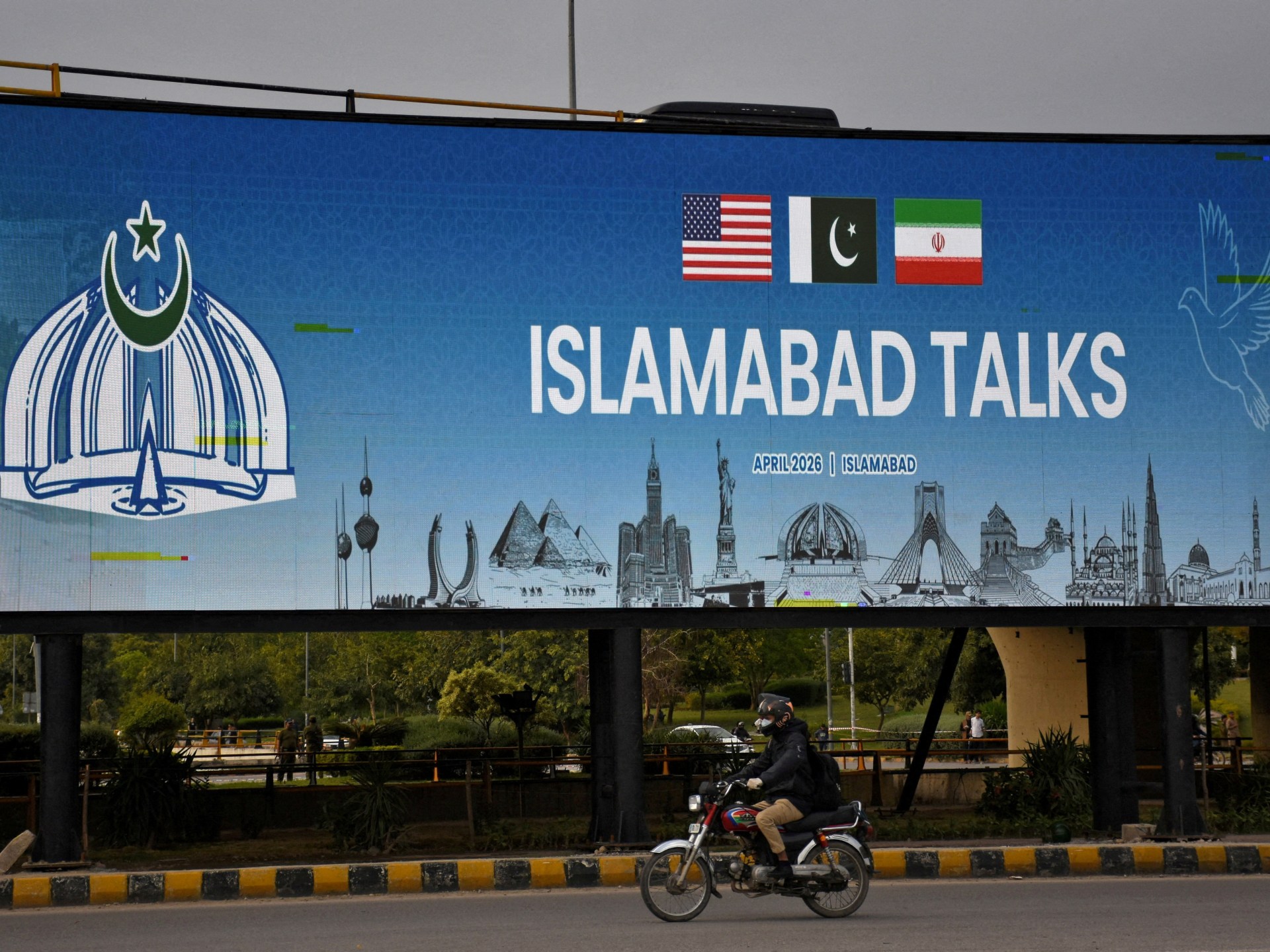
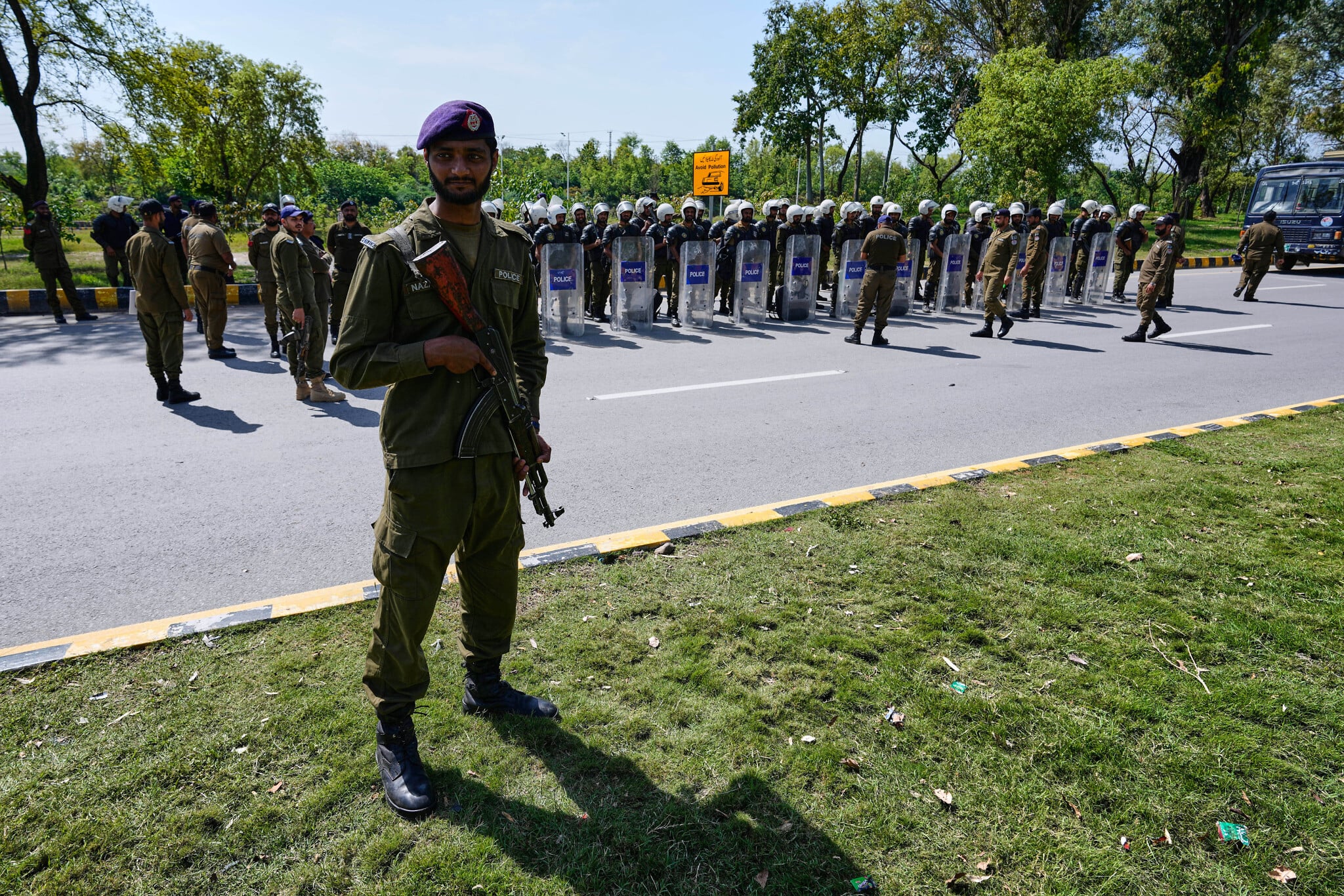
Former Pakistani UN ambassador Zamir Akram told Al Jazeera the metric of success Saturday is simple: an agreement to continue. That is the coalition builder's play. Set the ceiling low enough that failure becomes impossible, then use the photo op to justify a longer process. The two delegations will not meet face to face. They will sit in separate rooms at the Serena Hotel while Pakistani officials shuttle between them. Islamabad has done this before. In 1988, it participated in the Geneva Accords on the Soviet withdrawal from Afghanistan under the same proximity format. That was not an accident of diplomacy. Proximity talks let both sides claim they never sat across from the enemy.
Who
Field Marshal Asim Munir — Pakistan's army chief, whom Trump reportedly calls his 'favourite field marshal.' He is running the mediation file and earning Pakistan a seat at tables it has not occupied since the Cold War.
Bipi NewsThink Further on BIPI.
Unlimited access to your personalized investigative reporter agent, sourcing real-time and verified reports on any topic. Your personalized news feed starts here.
Learn moreWhat the 10-Point Iranian Plan Actually Asks
Iran's proposal bundles four demands that Washington has already called non-starters: the release of frozen Iranian assets, a ceasefire covering Lebanon, a limit on US and allied transit through the Strait of Hormuz with Iran collecting tolls, and the end of sanctions that crippled the economy before the war. Washington's 15-point counter-plan demands Iran relinquish enriched uranium stockpiles, stop backing Hezbollah, and reopen Hormuz unconditionally. The overlap is thin. The art is finding one item each side can sell at home.
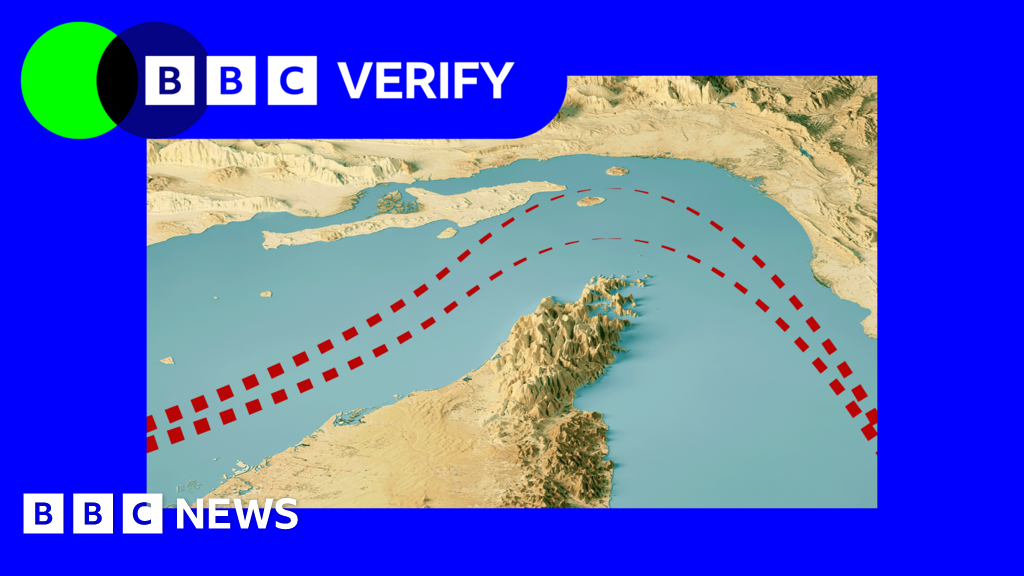
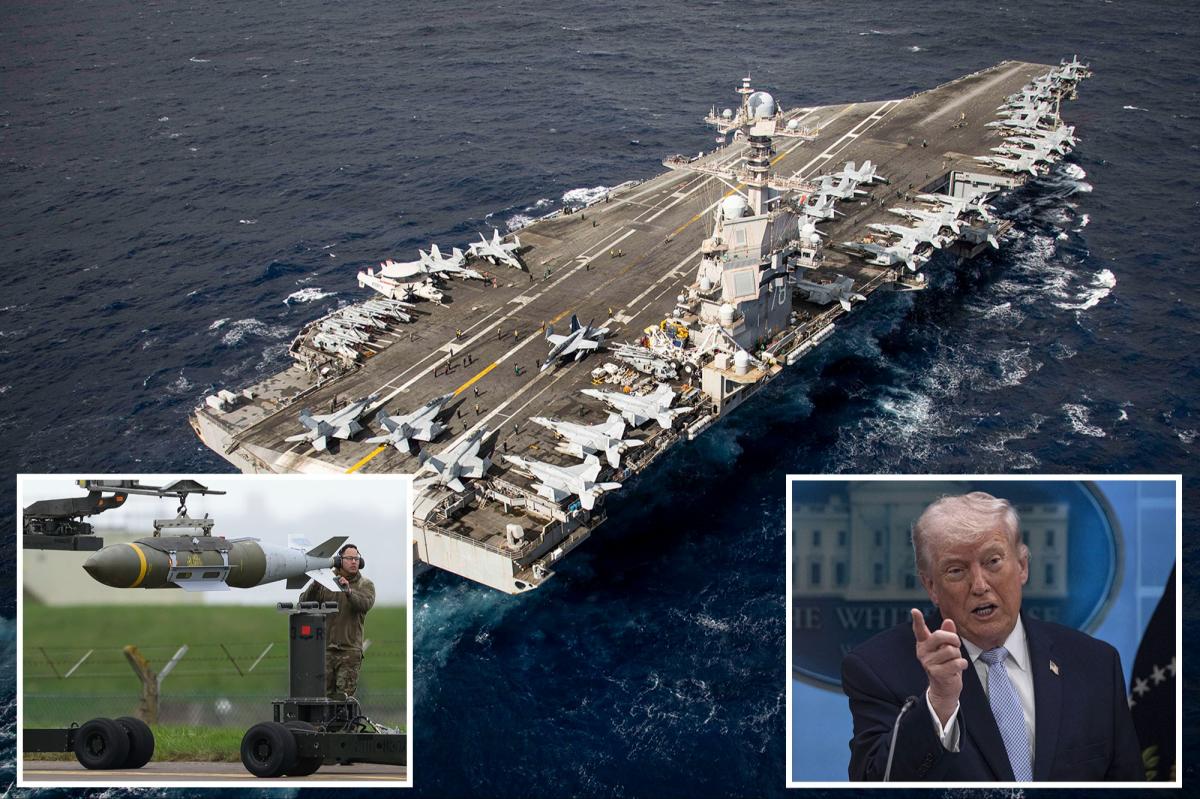
The Iran war caused the biggest oil supply shock on record, per Reuters. Iran is allowing only a handful of ships per day through the Strait of Hormuz, which normally carries 20 percent of global oil and gas.
Verified
The Gulf Is Watching the Wrong Room
Bipi NewsKnow someone who should read this?
Share this report with a friend who values evidence-based journalism.
Gulf states feel cut out of the mediation and they have a point. The Christian Science Monitor reports Riyadh and Abu Dhabi fear a deal that leaves Tehran with transit control over the strait and with the regional reputation of having survived the United States and Israel. The Populist will call that a sellout of American friends to reward Iranian blackmail. Call it the reality of a war with no clear victor. Iran emerged battered, its supreme leader dead, its military gutted by Operation Epic Fury, which Pete Hegseth declared had rendered Iran 'combat ineffective for years to come.' Yet Iran still closed the strait, still struck Kuwaiti airspace with seven drones in 24 hours, and still set the agenda for Saturday. Power survived the bombing. Coalition math does not care about press releases.
Can a Two-Week Ceasefire Become a Peace?
Not this weekend. The honest read is that Saturday produces a joint statement, a second round of talks scheduled for later this month, and each delegation flying home with the story their coalition needs. Trump gets to tell his base Iran 'has no cards.' Qalibaf gets to tell Tehran that Lebanon is on the agenda. Sharif gets to tell Pakistan that the world came to Islamabad. Every principal walks away with a frame that holds until the next Israeli airstrike or the next Hezbollah rocket breaks it. That is not failure. Wars end in stages, with diplomats giving everyone room to lose gracefully before anyone can sign anything real.
“The permanent ceasefire is the next difficult phase, which is to resolve the complicated issues through negotiation. — Pakistani Prime Minister Shehbaz Sharif, national address, April 10
The Hawk will argue Washington gave up leverage the moment it agreed to proximity talks on Iranian terms. The Contrarian will say the low-expectations briefing is the tell that Trump has already decided to accept a partial deal and sell it. Both might be right. Neither matters Saturday. The only question that matters is whether, on Sunday morning, the two delegations agree to meet again. If they do, Pakistan has delivered what it promised and Trump has an off-ramp he can walk in daylight. Everything else is the sausage.