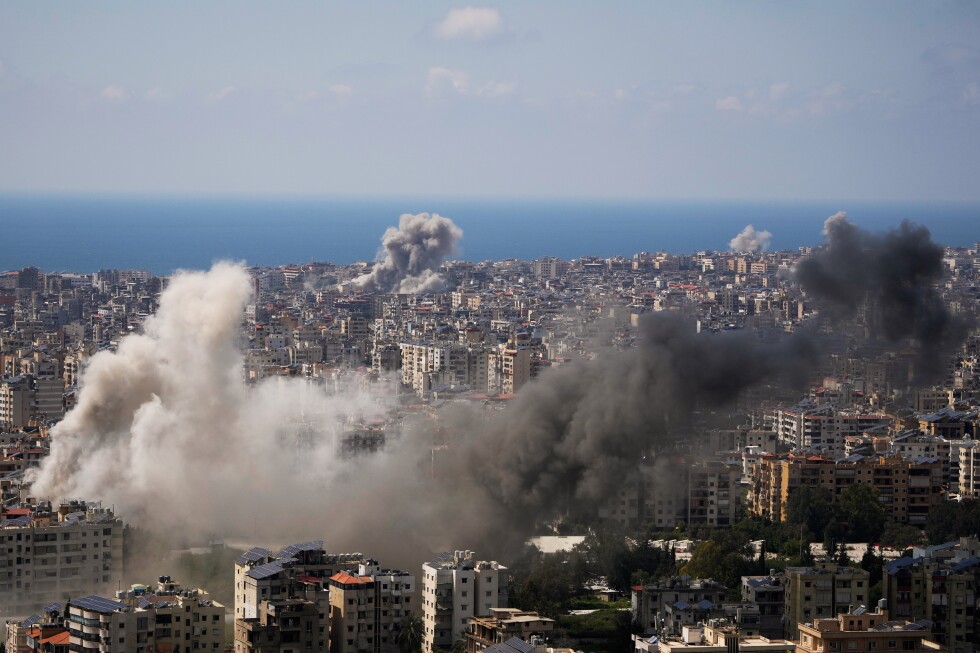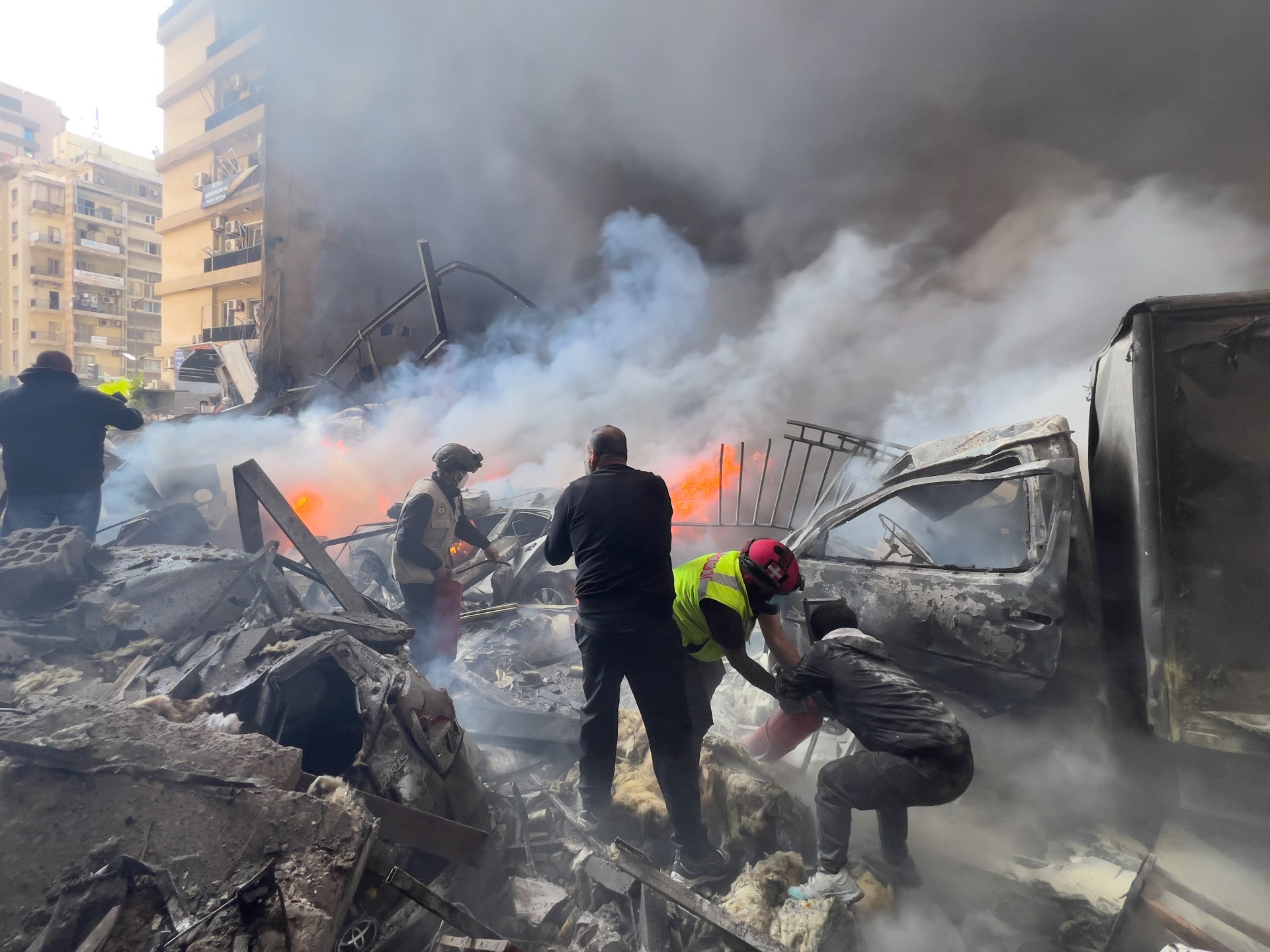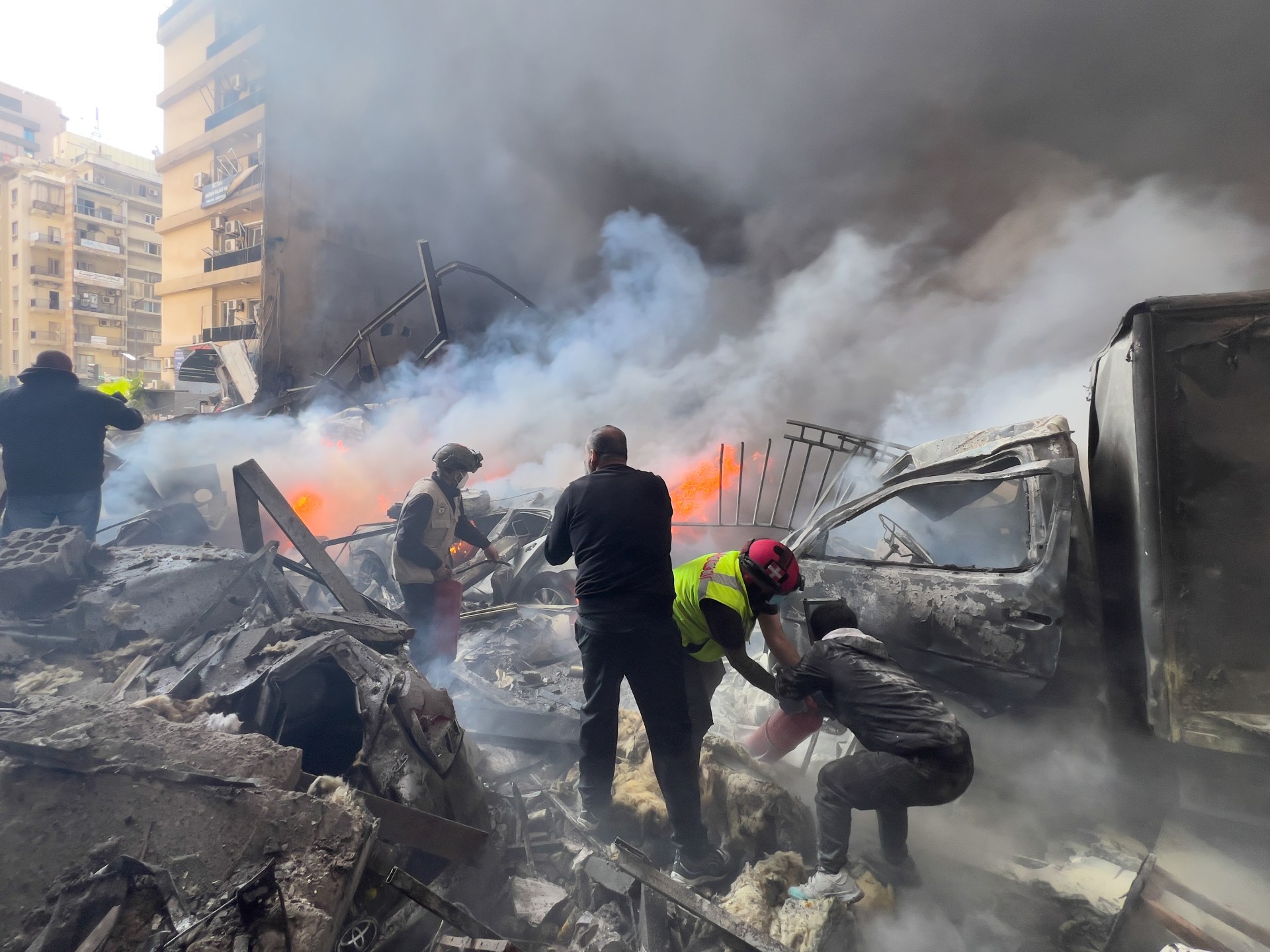
Israel accepted the two-week ceasefire with Iran on Wednesday morning. The stated objective: regional stability, a pause in hostilities, space for negotiation. By Wednesday afternoon, Israeli jets had dropped 160 bombs across Lebanon in ten minutes, killing 254 people and wounding 1,165 more. The framework Israel endorsed at dawn, Israel dismantled by dusk.
The Stated Framework: Stability Through Restraint
Netanyahu's office released a statement backing President Trump's two-week ceasefire with Iran. The language was clear: Israel would halt strikes against Iranian territory to create conditions for broader negotiation. White House press secretary Karoline Leavitt echoed the framing. Vice President JD Vance, speaking in Budapest, described the deal as a pathway to de-escalation. Pakistan's Prime Minister Shehbaz Sharif, who brokered the agreement, went further: the ceasefire applied 'everywhere,' including Lebanon.
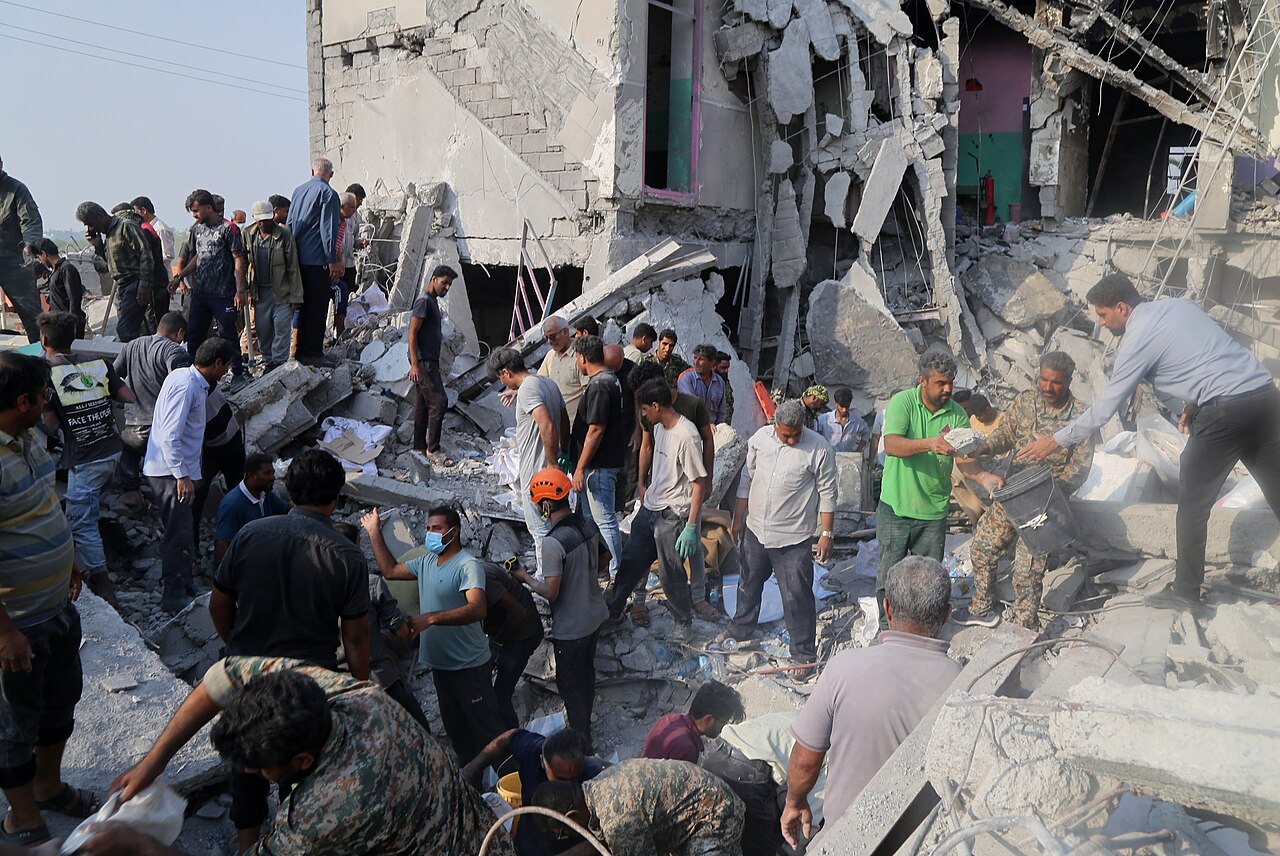
254 killed and 1,165 wounded in Israeli strikes across Lebanon on April 8, 2026, the deadliest single day of the war
Verified
The framework rests on a simple premise. Wars end through negotiated pauses. Pauses require good faith. Good faith requires that all parties refrain from actions that undermine the conditions they agreed to create. Israel endorsed this premise on the Iran front. The question is why it rejected the same premise thirty kilometers to the north.
How Does Killing 254 People in 10 Minutes Serve De-Escalation?
Israel launched what the IDF called the 'largest coordinated strike of the war' against more than 100 Hezbollah targets in Beirut, the Bekaa Valley, and southern Lebanon. Military spokesperson Avichay Adraee justified the strikes by claiming Hezbollah had relocated from its traditional stronghold in Dahiyeh to mixed residential areas elsewhere in the capital. The logic: if the enemy moves among civilians, the civilians become the terrain.
Who
Ibrahim al-Moussawi — Senior Hezbollah lawmaker who told Reuters the group had been informed the ceasefire included Lebanon
 Bipi News
Talk to The Reporter
The Mirror
Fluid adaptive debater who reflects opponents' arguments back at them in sharper form, forcing people to reckon with the full implications of their own positions.
First call is free. 5 minutes, no sign-up required.
Apply Israel's own stability framework to this decision. Iran's President Masoud Pezeshkian stated that a Lebanon ceasefire was an 'essential condition' of the agreement with Washington. Iran's parliament speaker Mohammad Bagher Ghalibaf called Lebanon 'inseparable' from the deal. Hezbollah, taking its cue from Tehran, had paused all attacks on Israeli targets Wednesday morning. Senior Hezbollah lawmaker Ibrahim al-Moussawi told Reuters: 'Hezbollah was informed that it is part of the ceasefire, so we abided by it.'
Israel struck a party that had stopped shooting. If stability means creating conditions where armed groups lower their weapons, Israel attacked the conditions it claimed to want.
“I think this comes from a legitimate misunderstanding. I think the Iranians thought that the ceasefire included Lebanon, and it just didn't. — JD Vance, US Vice President
The 'Lebanon Is Not Included' Argument Tests Israel's Own Logic
Netanyahu insisted Lebanon falls outside the ceasefire. Vance told reporters: 'I think this comes from a legitimate misunderstanding. I think the Iranians thought that the ceasefire included Lebanon, and it just didn't.' The White House backed this interpretation.
Who
Volker Turk — UN Human Rights Chief who called the carnage within hours of a ceasefire 'defying belief'
Mirror this claim against Israel's stated war aims. Israel says it fights Hezbollah because Hezbollah is an Iranian proxy. The war on Hezbollah is, by Israel's own framing, a war on Iranian military infrastructure. If Israel pauses direct strikes on Iran because Tehran is Iran's center of gravity, how does escalating strikes on Hezbollah serve a different strategic category? Israel has spent months arguing these fronts are connected. It cannot disconnect them the moment connection becomes inconvenient.
Israel destroyed the last bridge over the Litani River, severing southern Lebanon from the rest of the country
Verified
Bipi NewsThink Further on BIPI.
Unlimited access to your personalized investigative reporter agent, sourcing real-time and verified reports on any topic. Your personalized news feed starts here.
Learn moreSuch carnage, within hours of agreeing to a ceasefire with Iran, defies belief. — Volker Turk, UN Human Rights Chief
What the Numbers Reveal About Targeting
Beirut absorbed 92 deaths and 742 injuries. The southern suburbs of Beirut saw 61 killed. The IDF issued evacuation warnings for parts of southern Beirut and southern Lebanon before the strikes. No warning was given for central Beirut, which was also hit. Civil defense workers guided an elderly woman onto a crane to evacuate her from a building whose upper half had been sheared off. People on motorcycles transported the wounded to hospitals because ambulances could not keep pace.
Israel also destroyed the last bridge over the Litani River connecting southern Lebanon to the rest of the country. An Israeli military spokesperson stated that the area south of the Litani was 'disconnected from Lebanon.' Israel has issued evacuation orders covering 15% of Lebanese territory. More than 1.2 million people have been displaced.
These are the metrics of Israel's stated stability: a population severed from its own territory, hospitals overwhelmed, ambulances insufficient, and a bridge linking communities destroyed. By any measure Israel would apply to an adversary, these numbers describe destabilization.
Bipi NewsKnow someone who should read this?
Share this report with a friend who values evidence-based journalism.
Did France Just Apply Israel's Framework Better Than Israel?
French Foreign Minister Jean-Noel Barrot condemned the strikes: 'We strongly condemn these massive strikes which, in 10 minutes, killed more than 250 people, adding to the 1,500 victims of this conflict initiated by Hezbollah against Israel on March 2.' Barrot threaded the needle. He attributed the war's origin to Hezbollah. He condemned the escalation as contradicting the ceasefire. He applied Israel's own stability framework without endorsing Hezbollah's.
Lebanese President Joseph Aoun reported that Macron pledged a diplomatic push for Lebanon's inclusion in the ceasefire. Iran's Revolutionary Guards warned of a 'regret-inducing response' if Lebanon strikes continued. The ceasefire, designed to create breathing room, has produced instead a contest over who gets to breathe.
The Mirror's Inversion
Israel accepted a ceasefire premised on stability. Israel rejected stability for Lebanon. Israel argues Hezbollah is an Iranian proxy. Israel argues the Iran ceasefire excludes Iran's proxy. Israel says it strikes Hezbollah to protect Israeli civilians. Israel struck a party that had stopped firing. Each position, measured against Israel's own stated framework, contradicts the one before it. The pattern is consistent: the framework applies outward but never inward. The logic works until you turn the mirror around.