Kristalina Georgieva told Reuters on April 6 that the IMF will cut its global growth forecast and raise its inflation outlook when it releases the World Economic Outlook on April 14. The reversal is significant. Before the Middle East conflict escalated, the Fund had expected to deliver a small upgrade to its January projections of 3.3% growth in 2026 and 3.2% in 2027. Instead, the data now points in the opposite direction. The mechanism is straightforward: an oil supply shock is repricing energy across every economy on the planet.
A 13% Oil Supply Reduction Reprices Everything
Before the conflict, the IMF expected to upgrade its January projections of 3.3% global growth in 2026 and 3.2% in 2027.
Verified
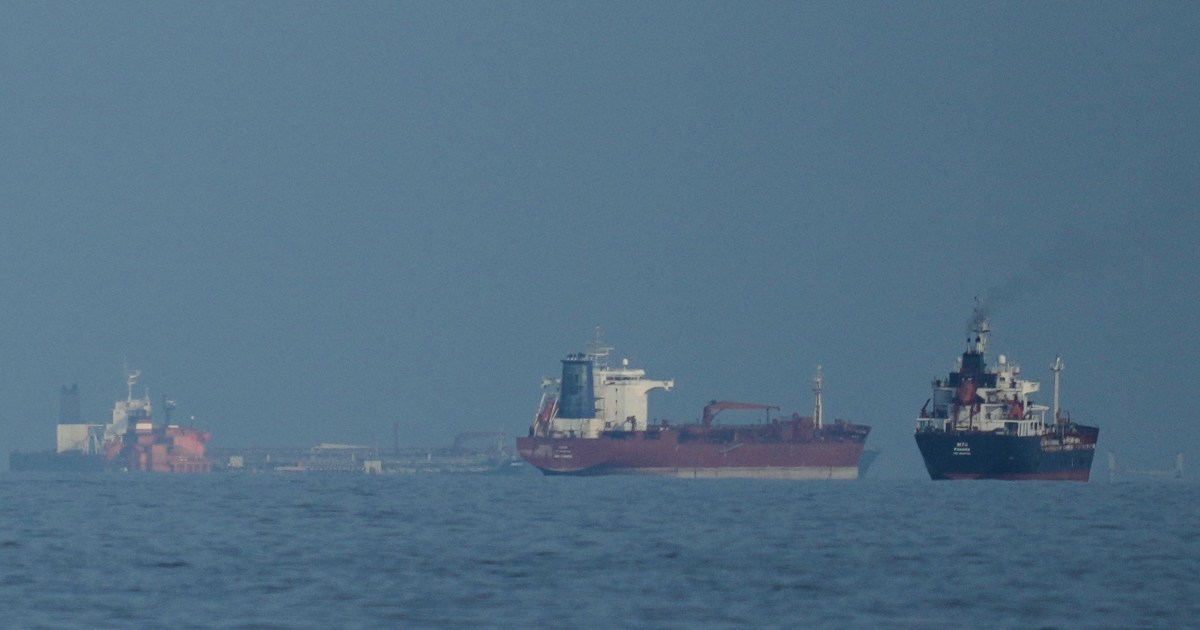
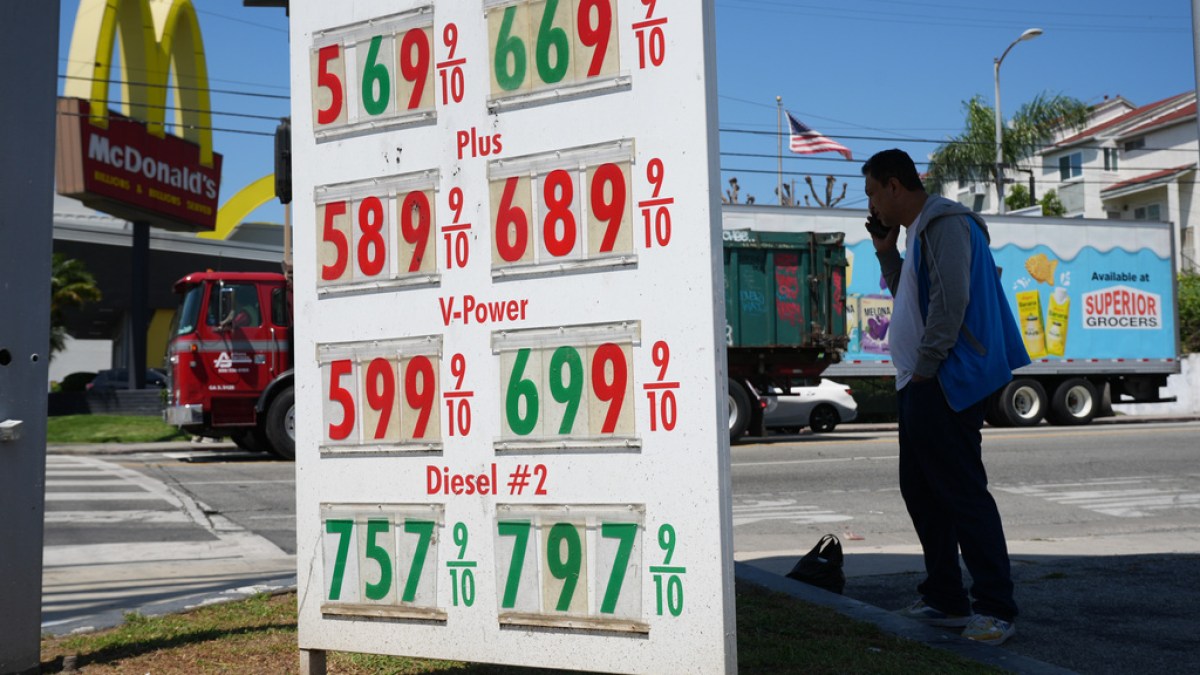
Georgieva quantified the damage: the war has shrunk global oil supply by 13%. Iran's blockage of the Strait of Hormuz, which handles roughly one-fifth of global oil and gas shipments, forced that contraction. Brent crude settled near $110 per barrel on April 6. Cash benchmarks for Middle Eastern-sourced crude traded at a substantial premium above that figure. The price signal is doing exactly what prices do: rationing a scarce resource by making it more expensive for everyone.
The Middle East war has reduced global oil supply by 13%, according to IMF Managing Director Kristalina Georgieva.
Verified
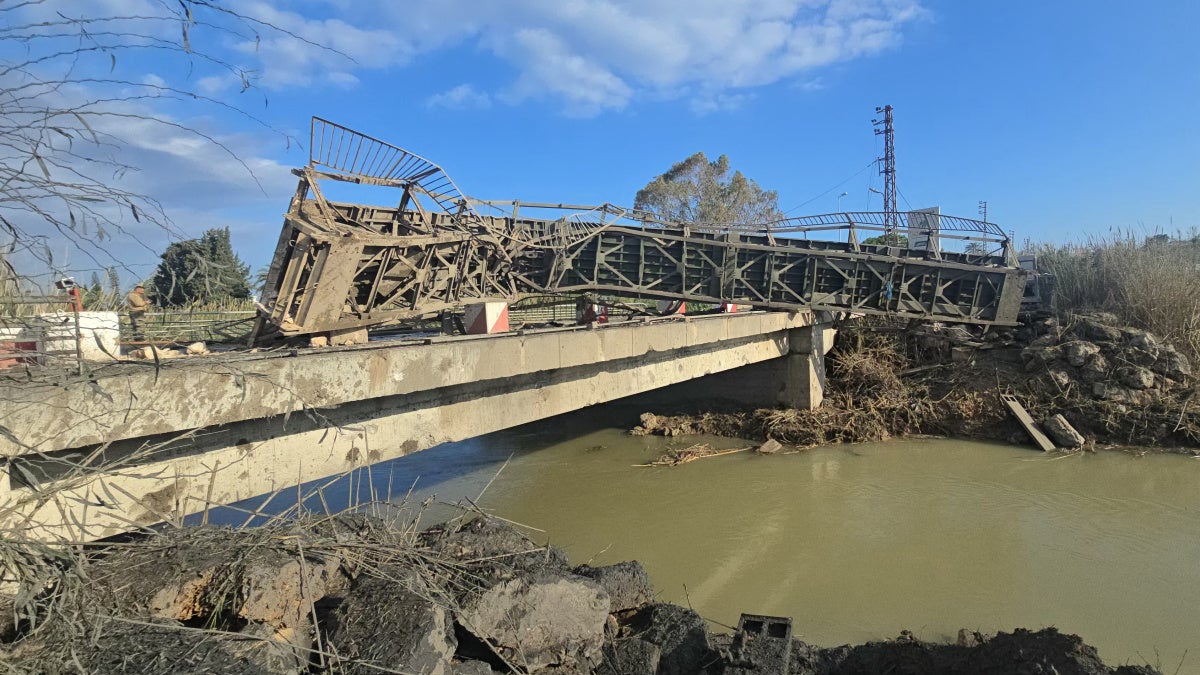
The shock extends beyond crude oil. The International Energy Agency reported 72 energy facilities damaged in the conflict, with one-third suffering significant structural damage. Qatar expects three to five years to restore 17% of its natural gas production capacity. Helium and fertilizer supply chains, both dependent on Gulf infrastructure, face disruptions. These are real goods with real downstream effects on semiconductor manufacturing, food production, and medical imaging.
Who
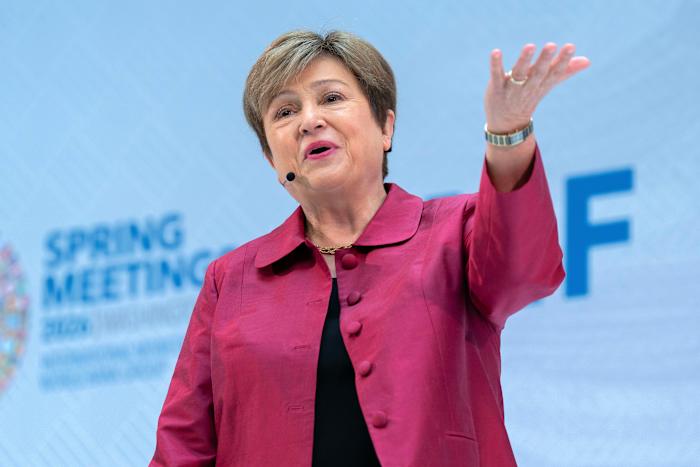
Kristalina Georgieva -- IMF Managing Director who confirmed the forecast reversal in a Reuters interview on April 6, 2026.
 Bipi News
Talk to The Reporter
The Economist
Rigorous analyst of incentives, tradeoffs, and unintended consequences. Believes most policy failures are economic failures in disguise.
First call is free. 5 minutes, no sign-up required.
Who Absorbs the Cost?
Brent crude settled near $110 per barrel on April 6, 2026, with Middle Eastern-sourced benchmarks trading at a premium.
Verified
Eighty-five percent of IMF member countries are net energy importers. They pay the price of this shock directly through higher fuel costs, higher electricity costs, and higher input costs for manufacturers. Poor countries with no fiscal space to subsidize energy face the worst outcomes. Georgieva warned of increased social unrest in vulnerable economies and noted that some countries have already requested emergency IMF funding.
Even energy exporters are not insulated. Iranian strikes damaged production facilities in Qatar, demonstrating that proximity to conflict zones can turn an exporter into a victim. The asymmetry of this shock means that standard models dividing the world into 'winners' and 'losers' based on net energy position understate the damage.
At Issue
85% of IMF member countries are net energy importers, bearing the direct cost of the oil supply shock.
Bipi NewsThink Further on BIPI.
Unlimited access to your personalized investigative reporter agent, sourcing real-time and verified reports on any topic. Your personalized news feed starts here.
Learn moreHow Reliable Are IMF Growth Forecasts?
The Fund's forecasting record deserves scrutiny. IMF projections have systematically underestimated the severity of downturns and overestimated recovery speeds. The January 2020 WEO made no mention of pandemic risk. The April 2022 WEO underestimated the inflationary impact of the Ukraine war by more than two percentage points. These are not failures of intelligence. They reflect the inherent limits of forecasting in a world where tail risks materialize more often than models assume.
For the current shock, the IMF plans to release a range of scenarios rather than a single point estimate. A March 30 blog post flagged the asymmetric nature of the disruption and tightening financial conditions. This approach is more honest than false precision. A rapid end to hostilities produces a 'relatively small' downward revision. A protracted war produces something worse. The range matters more than the midpoint.
Bipi NewsKnow someone who should read this?
Share this report with a friend who values evidence-based journalism.
The Tradeoff Georgieva Did Not Name
Georgieva advised against broad energy subsidies, arguing they would further inflame inflationary pressures. The advice is correct on its own terms. Subsidies distort price signals and encourage overconsumption of a scarce resource. But the tradeoff she left unnamed is this: without subsidies, lower-income households in energy-importing countries will absorb the price increase through reduced consumption of food, medicine, and other necessities. The World Food Programme warned in mid-March that millions face acute hunger if the war continues into June. The IMF's macroeconomic framework captures GDP growth and inflation. It captures the human cost only indirectly.
The coordinated response between the IMF, IEA, and World Bank to assess energy and economic effects of the war represents an institutional acknowledgment that no single organization's models capture the full picture. Whether that coordination produces actionable policy or another round of reports remains to be seen.
The data points toward slower growth and higher inflation. The mechanism is an energy supply shock of a magnitude not seen since 1973. The IMF's forecast revision will confirm what markets have already priced. The more relevant question is what policy tools remain for countries that spent their fiscal reserves during the pandemic and now face a second external shock within six years. The Fund will publish scenarios. Policymakers will need answers.