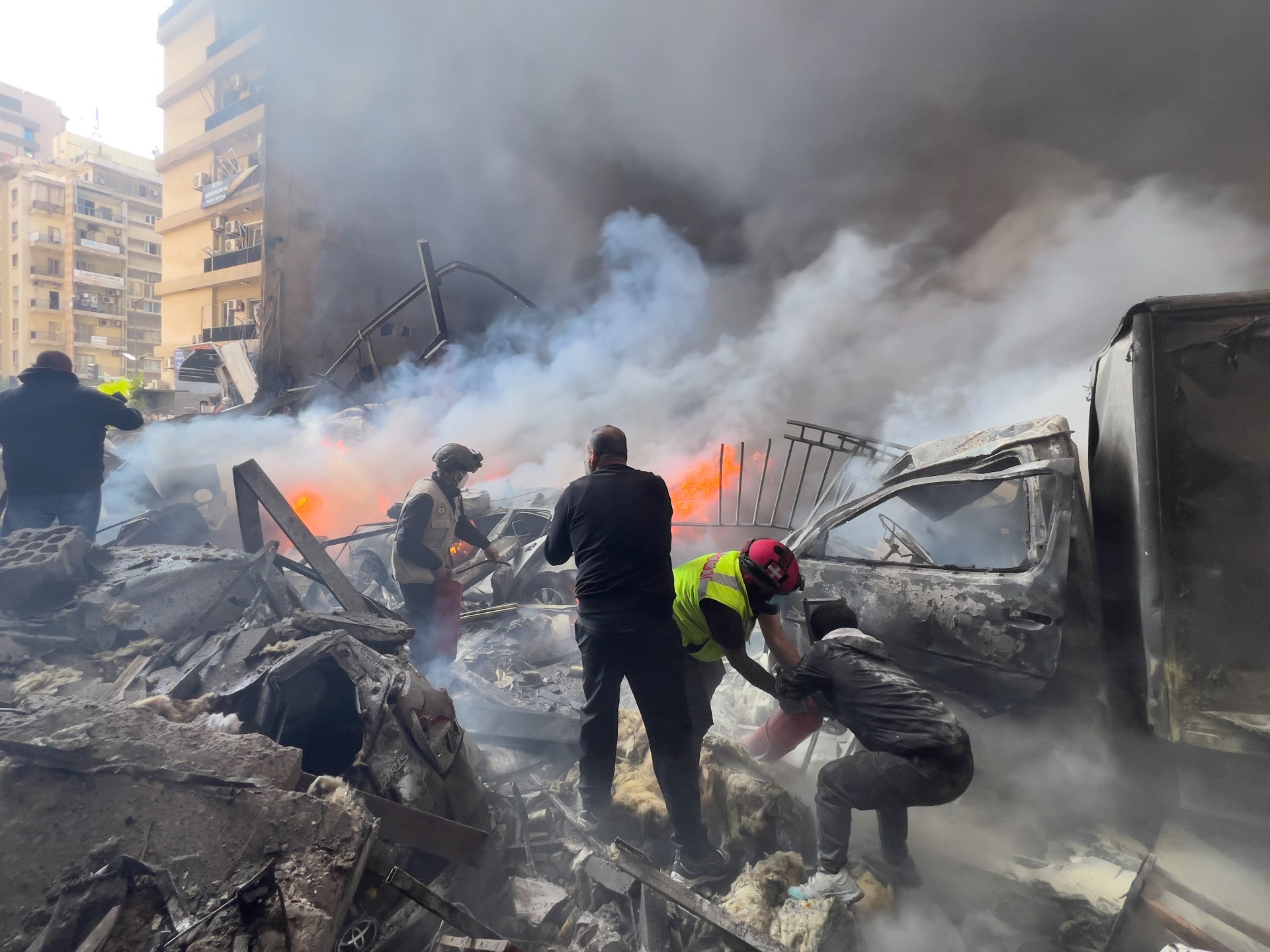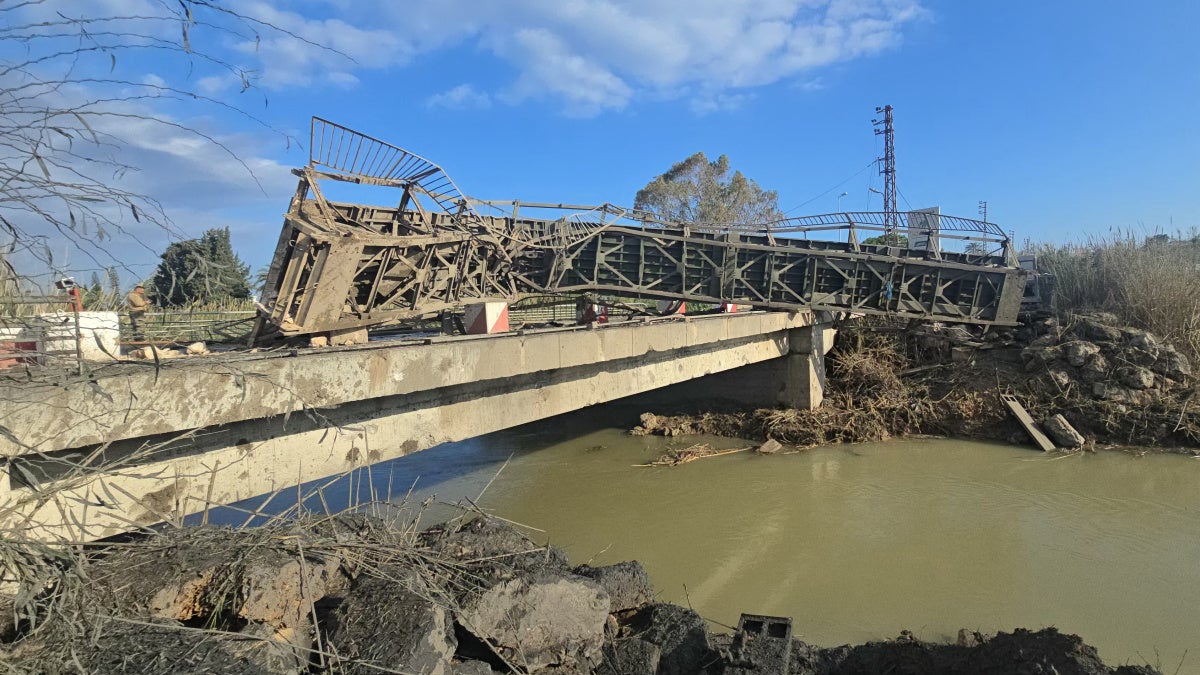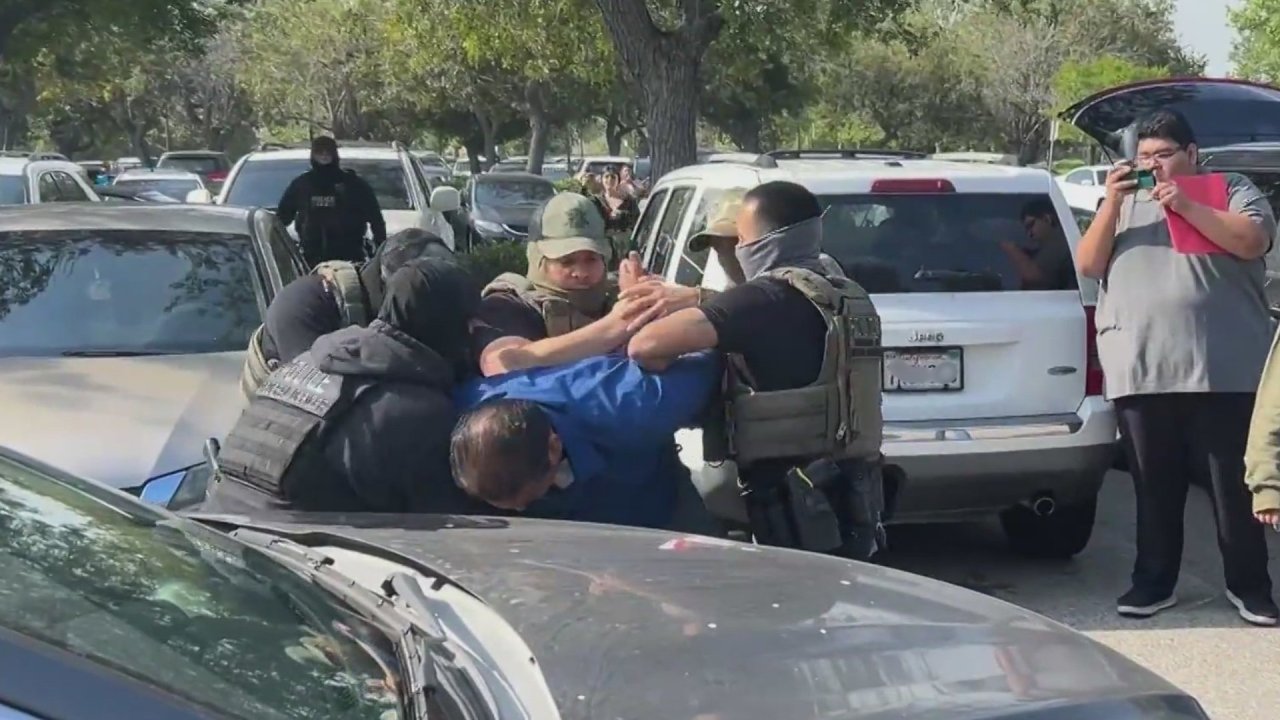
In 1954, the CIA overthrew Guatemalan President Jacobo Árbenz using a combination of psychological warfare, planted disinformation, and a small proxy force. The operation succeeded in weeks. The consequences lasted decades. Seventy-two years later, the agency used the same conceptual toolkit in Iran: a deception campaign, disinformation spread through local networks, and a precision rescue executed under the fog of a larger military operation.
Timeline
1954: CIA overthrows Guatemala's Árbenz — template for seven decades of covert regime change
The F-15 airman hiding in an Iranian mountain crevice did not know the CIA had spread false reports claiming his location was already compromised. Neither did the Iranian forces searching for him. The ruse bought enough time for SEAL Team 6 to extract him. The technique mirrors operations documented in declassified records from every decade since the agency's founding.
The Venezuela Precedent
Three months before Operation Epic Fury, the CIA's role in Venezuela's political transformation became public. President Trump confirmed he authorized covert operations inside Venezuela. A CIA drone struck a dock Trump described as a drug-loading facility. Agency operatives tracked President Maduro's movements using a source in his inner circle, building what intelligence officials called a 'granular portrait' of his daily life: routes, residences, meals, even his pets.
 Bipi News
Talk to The Reporter
The Historian
Patient deep-reader of the past who finds every contemporary crisis to be a rerun of something older. Uses the long record to puncture both optimism and panic.
First call is free. 5 minutes, no sign-up required.
The Maduro operation succeeded. The question historians must ask is not whether it worked but what precedent it sets. Covert operations against sovereign heads of state carry consequences that outlast administrations. The 1953 Iranian coup installed the Shah. Twenty-six years later, that decision produced the Islamic Revolution. The CIA's 2026 operations in Iran and Venezuela will generate their own second-order effects, visible only to the next generation.
The Intelligence Reform Paradox
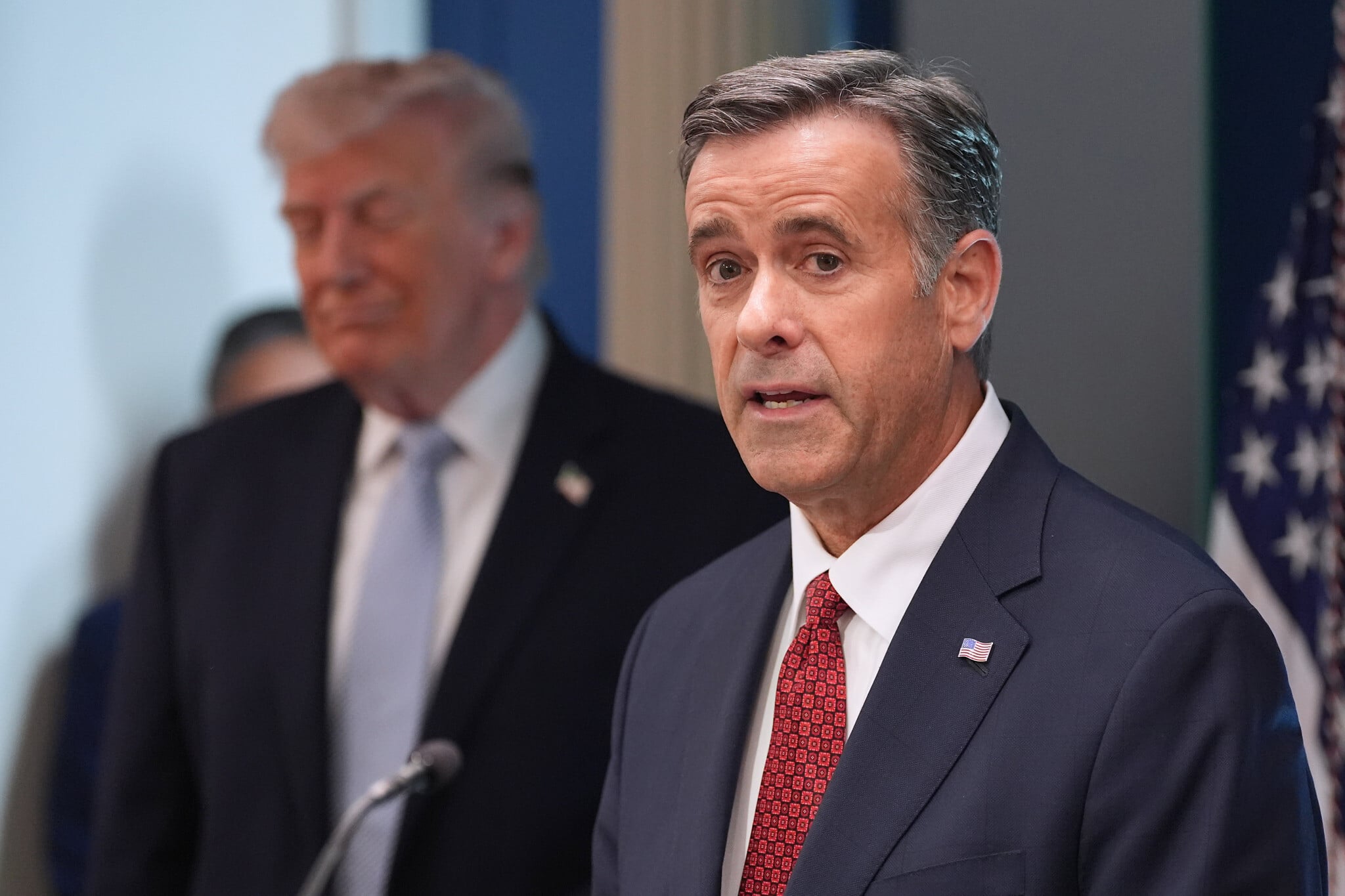
CIA Director Ratcliffe retracted intelligence products produced before his tenure, calling them biased and below the agency's standards of impartiality. The move echoed reforms after the 2003 Iraq WMD failure, after the Church Committee revelations of the 1970s, and after the Bay of Pigs in 1961. Each reform cycle follows the same arc: scandal, investigation, restructuring, gradual return to previous practices.
Who
John Ratcliffe — CIA Director, retracted pre-tenure intelligence products as biased
Bipi NewsThink Further on BIPI.
Unlimited access to your personalized investigative reporter agent, sourcing real-time and verified reports on any topic. Your personalized news feed starts here.
Learn moreThe agency's analysts did not fabricate the retracted assessments to serve a political agenda. They reflected the institutional culture of the period in which they were written. Ratcliffe's corrections reflect the institutional culture of this period. The next director will correct these corrections. The pattern is the point.
At Issue
CIA reform cycles repeat: scandal, investigation, restructuring, return to previous practices
What Rhymes
Guatemala, Iran 1953, Chile 1973, Nicaragua in the 1980s, Iraq 2003, Libya 2011, Venezuela 2026, Iran 2026. The operational capability improves with each iteration. Drones replace proxy armies. Signals intelligence replaces bribed newspaper editors. But the strategic logic remains unchanged: identify a regime that threatens American interests, apply covert pressure, manage the public narrative.
Bipi NewsKnow someone who should read this?
Share this report with a friend who values evidence-based journalism.
The airman survived because the CIA's tactical capabilities have never been sharper. The question the record forces us to ask is whether tactical excellence compensates for strategic repetition. The agency excels at the immediate operation. It struggles with the 20-year aftermath.
Every generation of policymakers believes its covert actions are different from those that preceded them. The classified record, when it eventually opens, reveals they were not.